7 Toys That Build Attention, Language, and Independent Play (Ages 1–3)
A screen-free toy list from an Early Language Specialist who's spent a decade watching toddlers focus on the wrong things.

For the last decade I've worked with toddlers on the two things every parent wants for their child at this age: an attention span that lasts longer than 90 seconds, and the language to describe what they're doing while they do it.
Those two things are more connected than most parents realise. A toddler who can hold their attention on a single task for eight minutes is a toddler whose brain is doing the work that later becomes reading, following instructions, and telling you about their day at daycare.
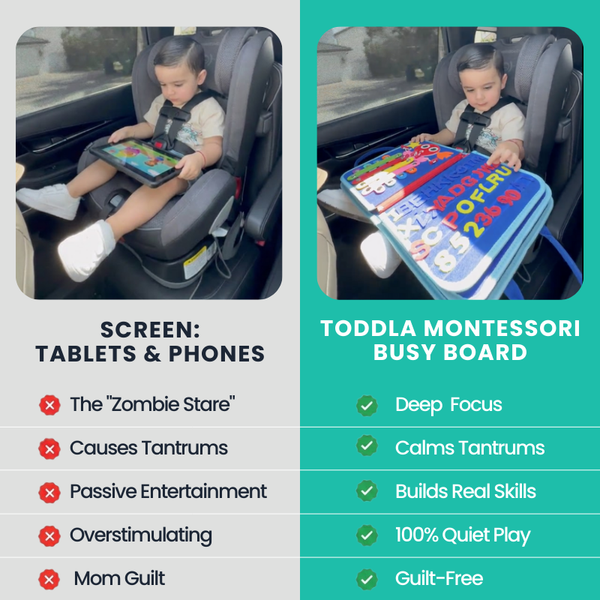
I should be upfront about something. I'm not going to spend this list telling you screens are bad. You already know that. You've read the articles, seen the graphs, felt the pang when you handed over the iPad at 4pm on Tuesday. The reason those toys ended up on the coffee table in the first place is that most of the "developmental" toys sitting in your living room don't hold a toddler's attention long enough to be an alternative.
That's the gap this list fills.
If you only buy one toy from this list, start with the Busy Board. It's the workhorse of independent play in this age band, and most children I've worked with get at least a solid year of use out of it.
If you have room for two, add the Geometric Eggs. The satisfying click of the lid seating correctly is one of the cleanest examples of self-directed feedback you'll find at this price point.
Everything else on this list is an addition to those two anchors.
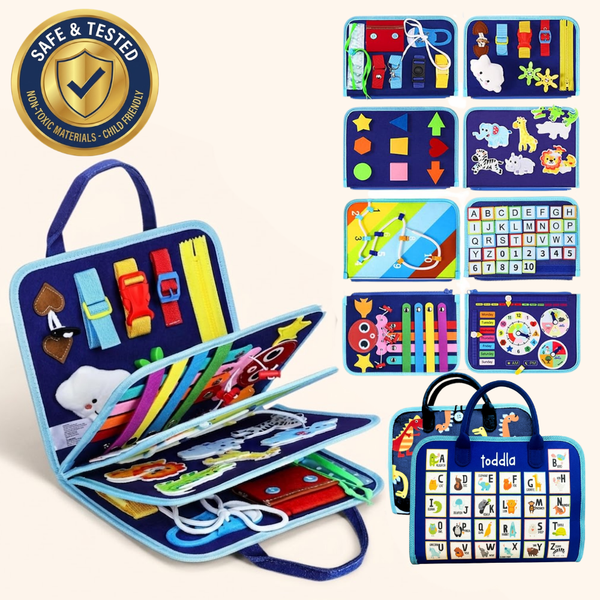
1. Montessori Busy Board





Ages: 1 to 5 years
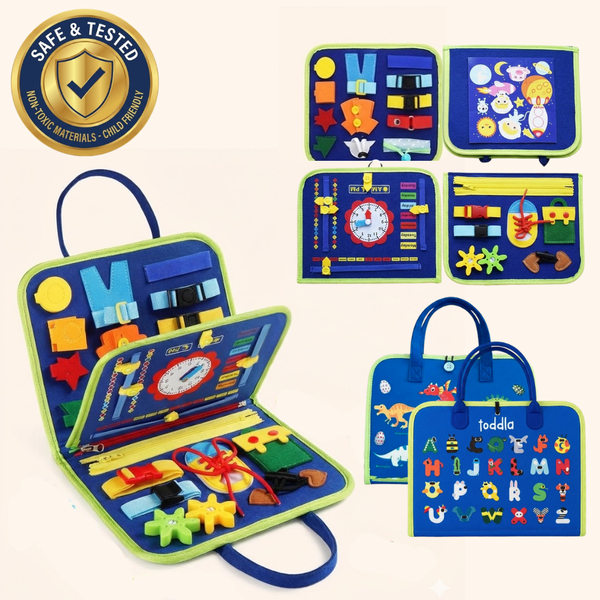
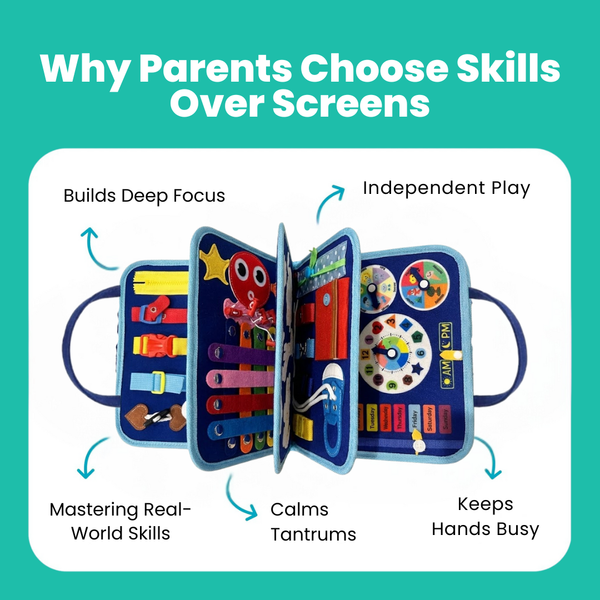
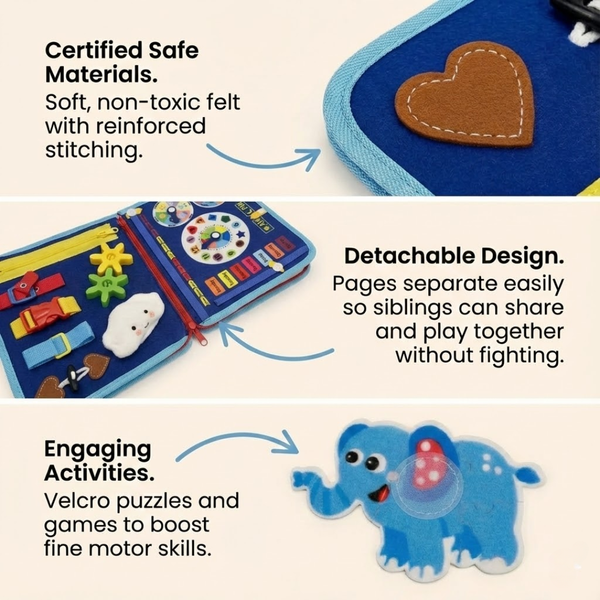
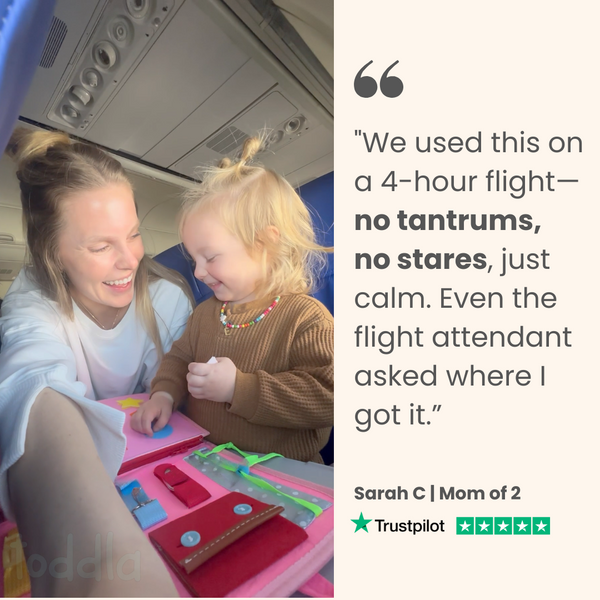
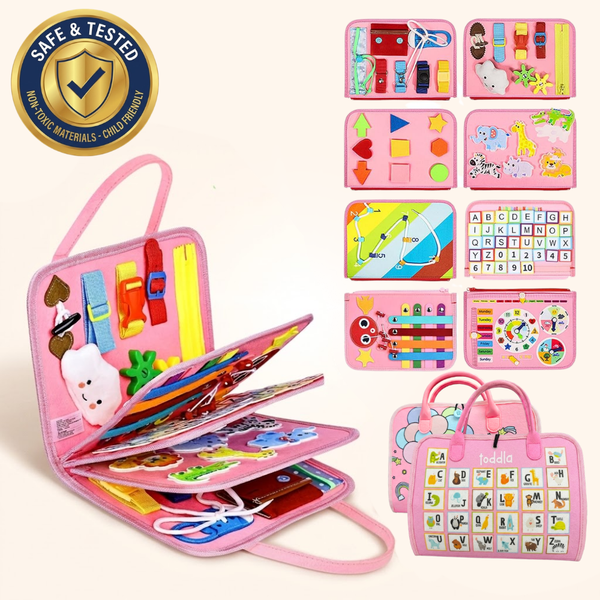
Why It Made the List: Over thirty real activities sewn into a folding felt board. Zippers, buckles, laces, locks, latches, threading. Not one of them requires a battery, a screen, or a parent. The single toy that most reliably produces a stretch of independent play in the 1 to 3 age band. This is the anchor of the list for a reason.
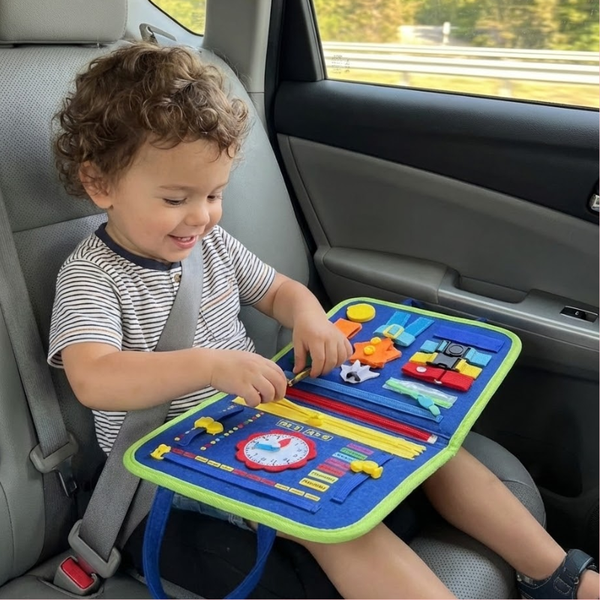
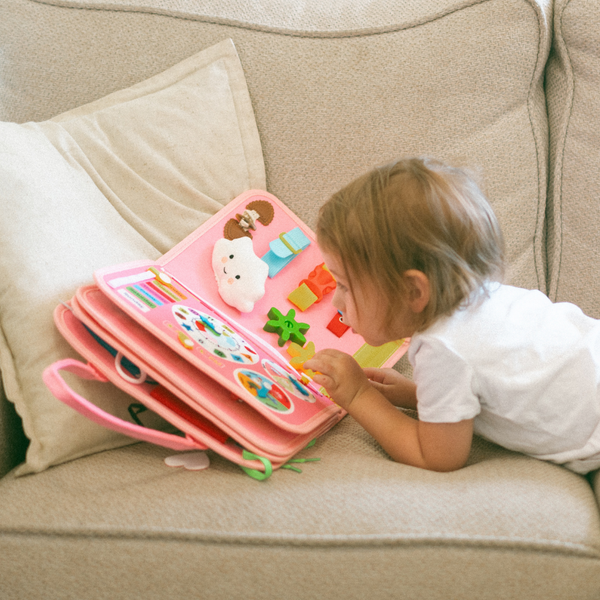
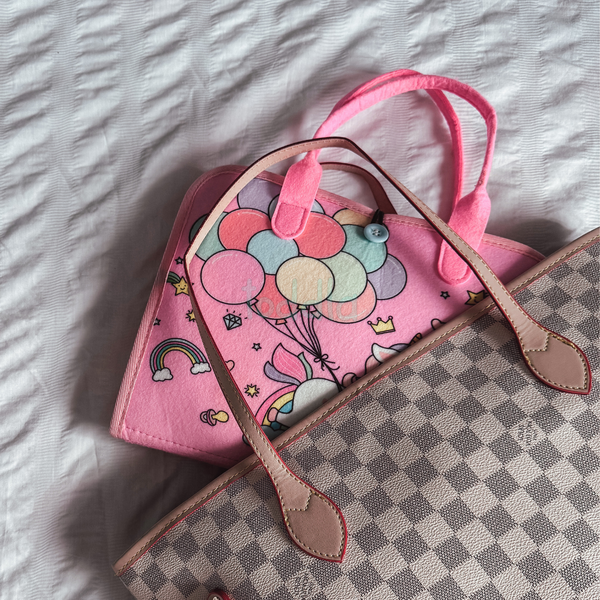
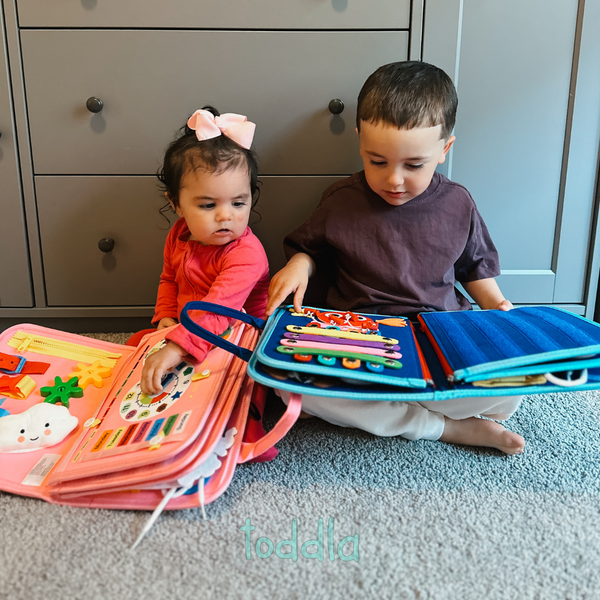
Why Parents Love It: The activities are genuine — real zippers, real buckles, real laces. Toddlers stay focused for 20 to 40 minutes because the problems are actually challenging. It folds shut like a book between sessions and nothing detaches, so there's nothing to lose and nothing to trip over on the way to the kitchen.
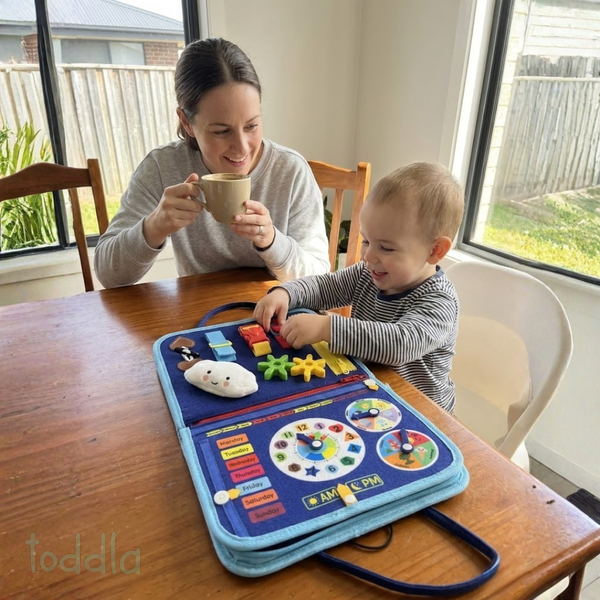
Why Toddlers Reach For It: Self-directed mastery. A toddler can sit alone with this and work on a single zipper for ten minutes without help, then move to the next activity when they're ready. That "I did it myself" moment is what makes them reach for it again the next day.
Get Yours Today →2. 7-in-1 Montessori Cube

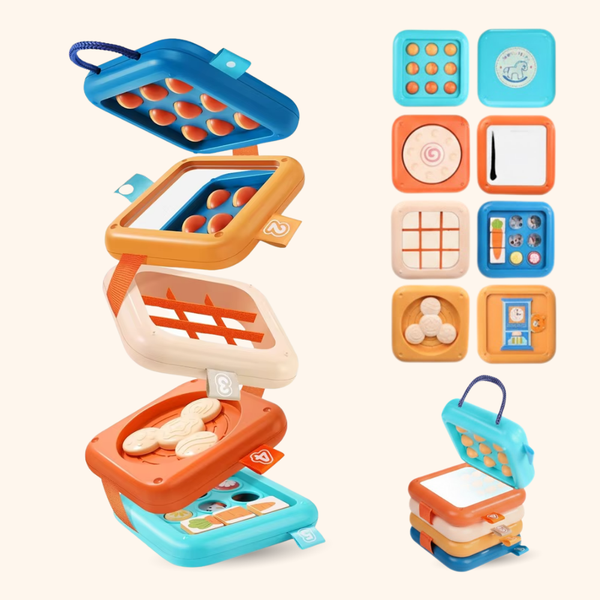
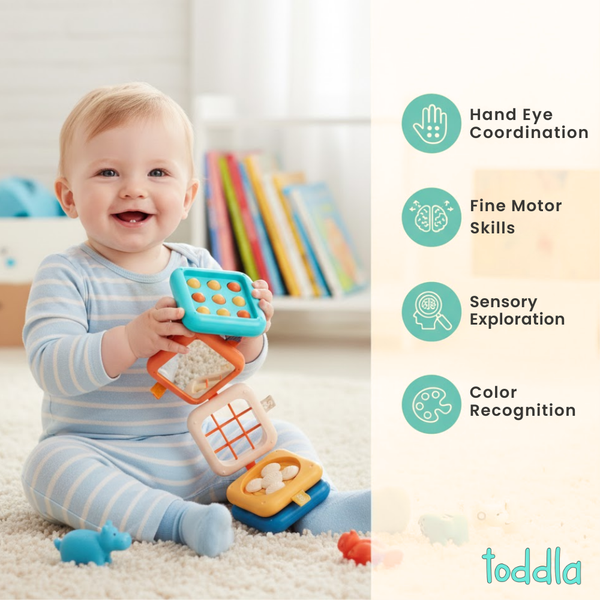
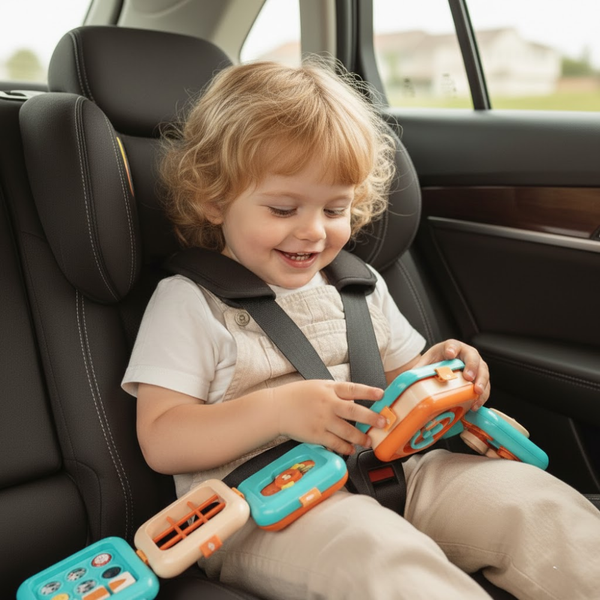
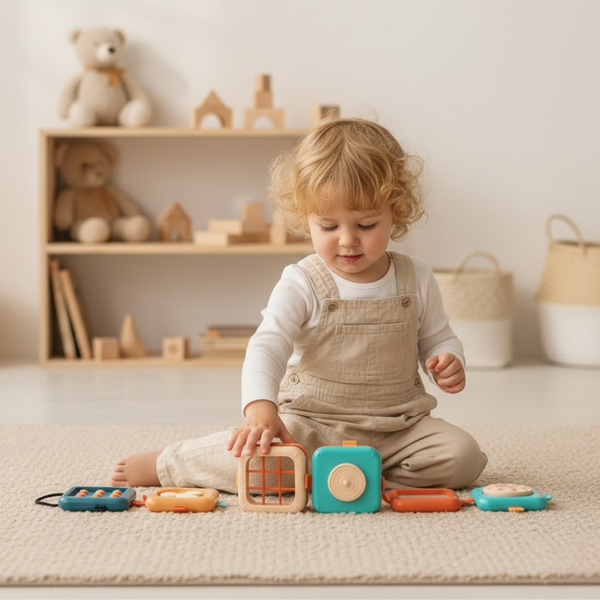
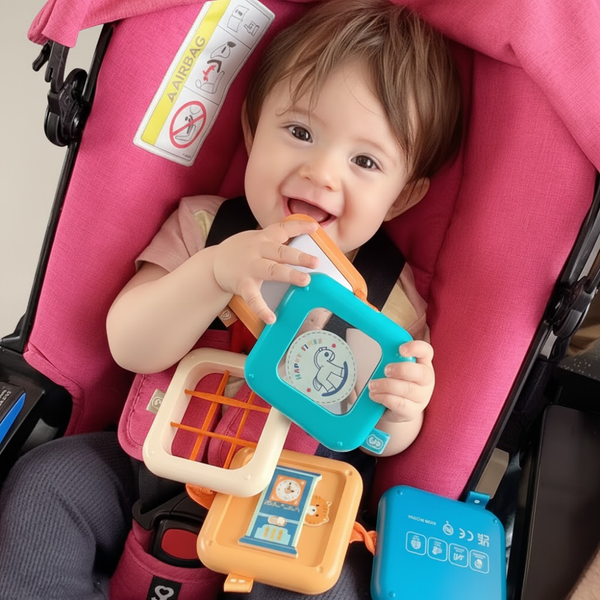
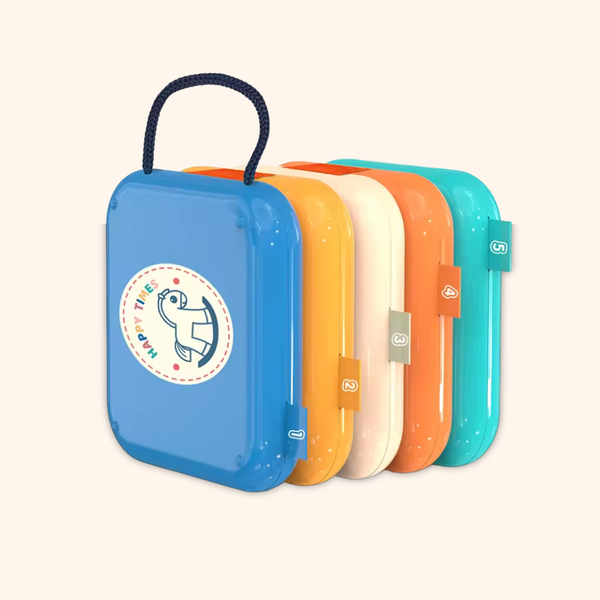
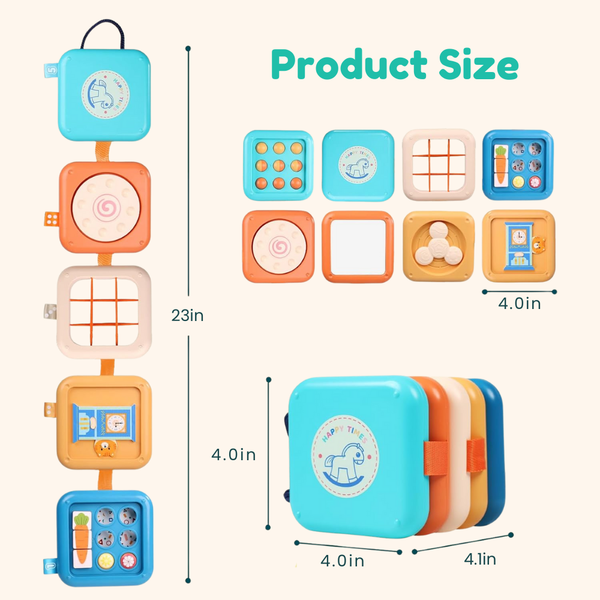
Ages: 6 months to 3 years
Why It Made the List: Seven distinct activities integrated into six sides. Telephone dial. Press-and-slide. Mirror. Rope toggle. Puzzle. Windmill. Roll-out animal. Built from ABS plastic with everything sealed into the body, so there are no detachable parts to lose or chew. This is the toy I recommend to parents whose toddler "gets bored of everything" — because they haven't been given a toy with seven things to get bored of.
Why Parents Love It: The cube does what no single-purpose toy can. It gives a 1 year old and a 3 year old something different to reach for on the same cube. The rotation principle keeps attention longer than any single-activity toy, and parents of multiple kids get years of use out of one purchase.
Why Toddlers Reach For It: Variety in a small, graspable form. A toddler doesn't get bored of a toy. They get bored of an activity. The cube has seven of them, so when the phone dial loses appeal, the sliding button is right there under their fingers.
Get Yours Today →3. Montessori Geometric Eggs

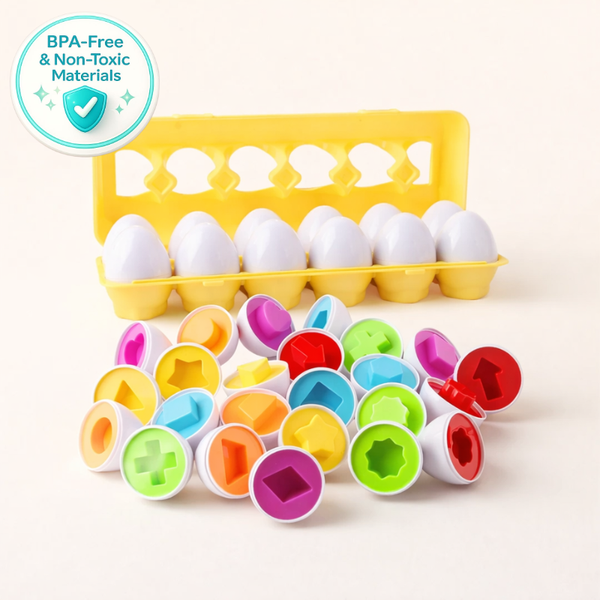
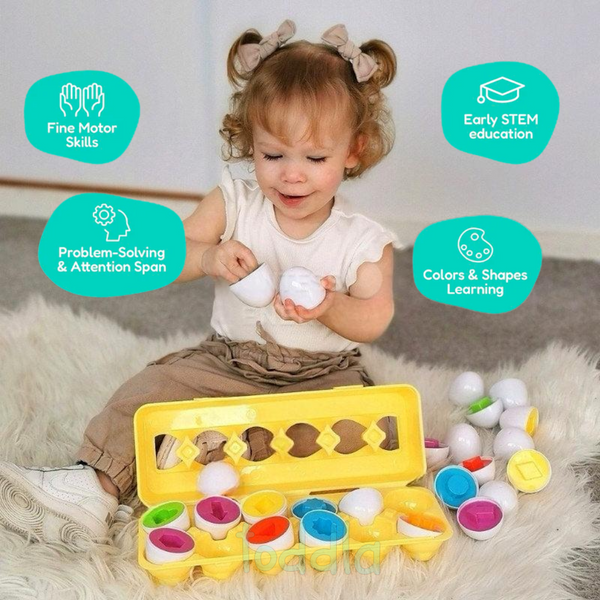
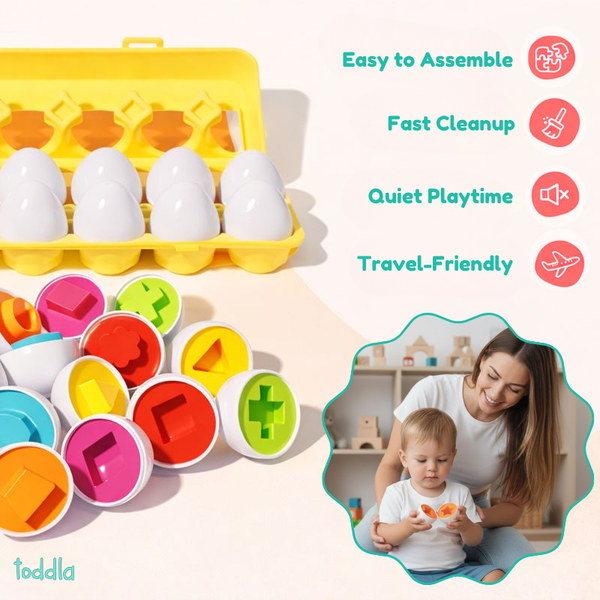
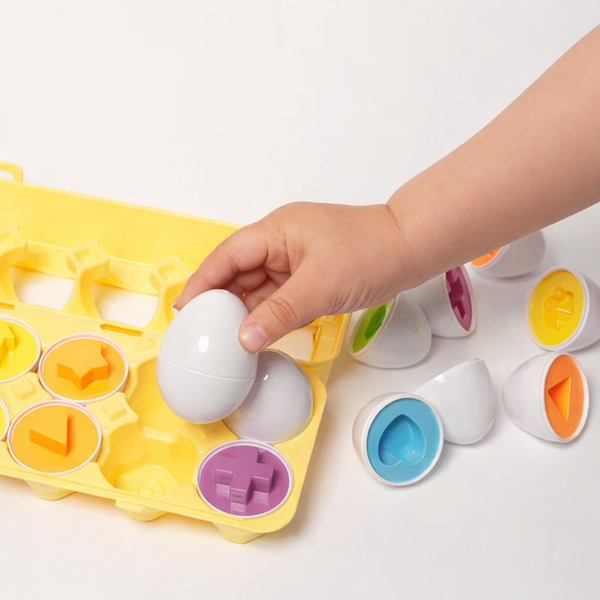
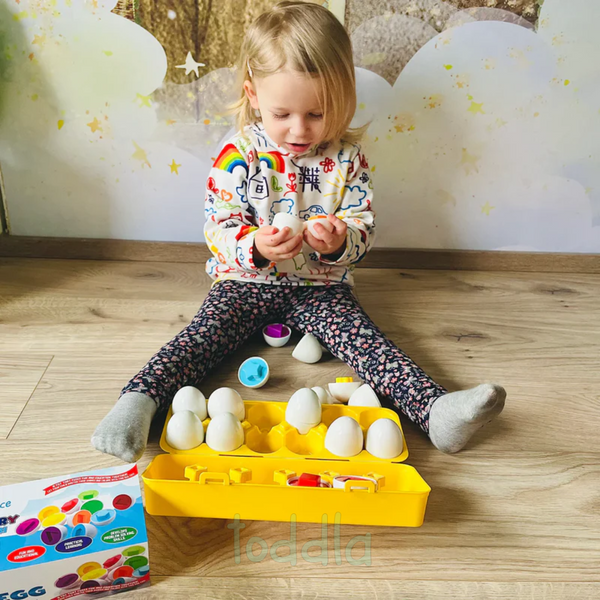
Ages: 10 months to 3 years
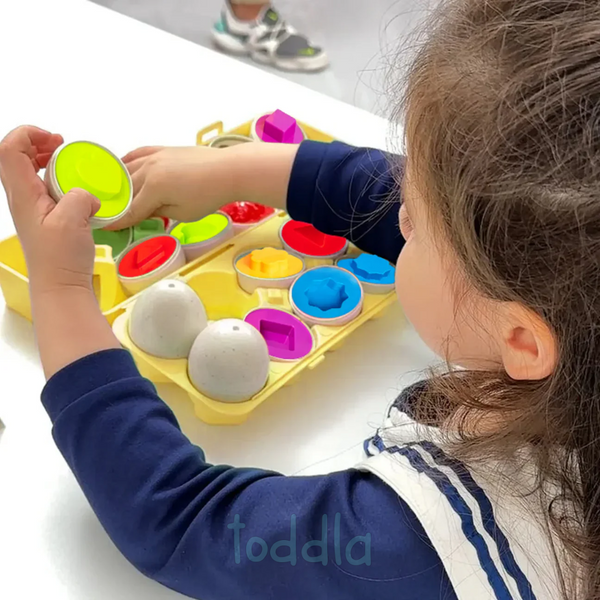
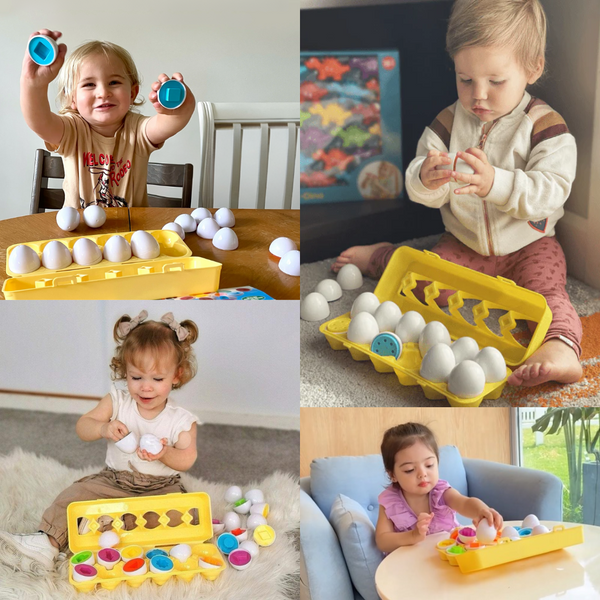
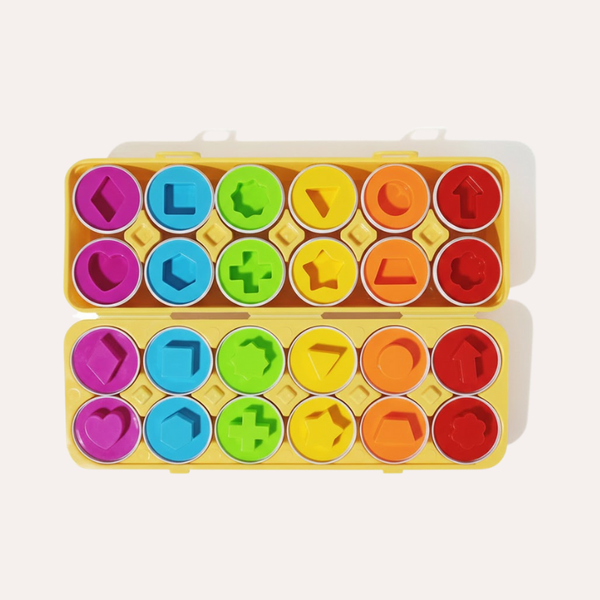
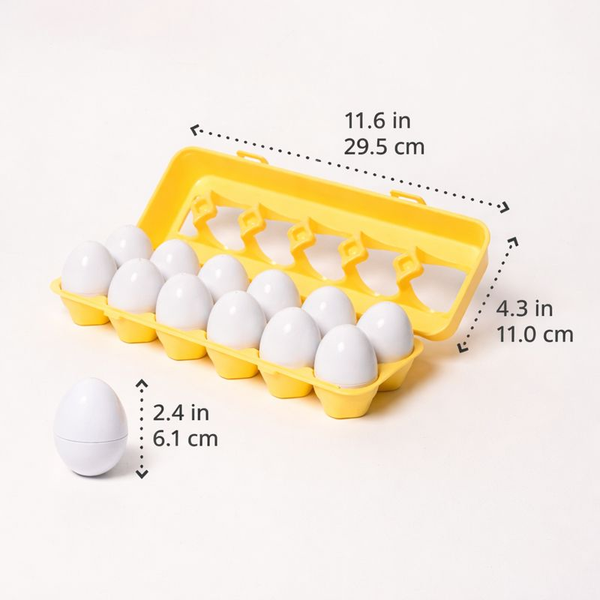
Why It Made the List: Six eggs, each splitting open into a differently coloured shape inside. A toddler matches the lid to the base by colour and the inner shape by form. The audible click when an egg seats correctly is the feedback signal. From a language development standpoint, this toy is a colour and shape vocabulary generator. A play session tends to produce the same words in different orders, which is one of the ways toddlers cement new vocabulary.
Why Parents Love It: The egg carton holds the unused pieces in place, which means the floor doesn't get covered in tiny plastic shapes the way most sorting toys end. It's also one of the longest-engagement toys per dollar in the entire category, holding attention from 10 months through preschool.
Why Toddlers Reach For It: The click. There is a satisfying physical reward each time a shape seats correctly. A toddler trying to fit the triangle lid onto the circle base knows immediately it's wrong, tries again, and eventually clicks. That feedback loop is what holds attention — and holds it long enough for the words to catch up.
Get Yours Today →4. Sensory Fruits & Veggies Sorting Set

Ages: 1 year and up
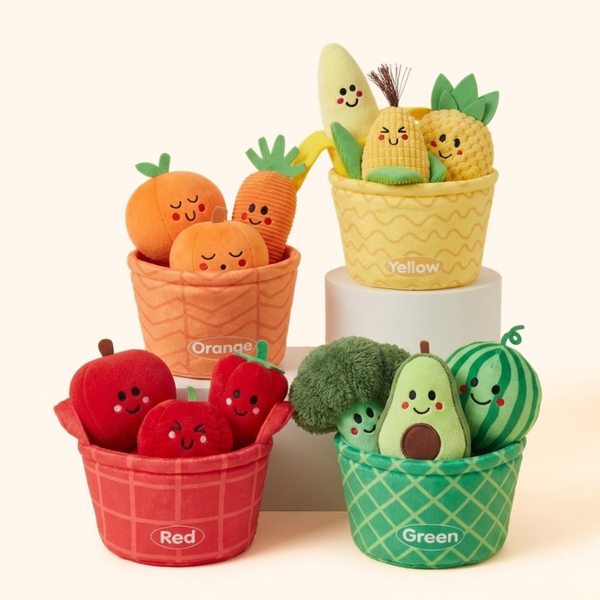
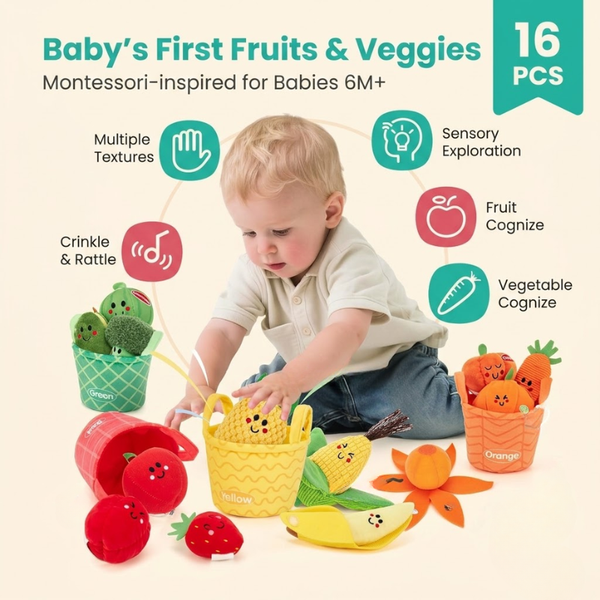
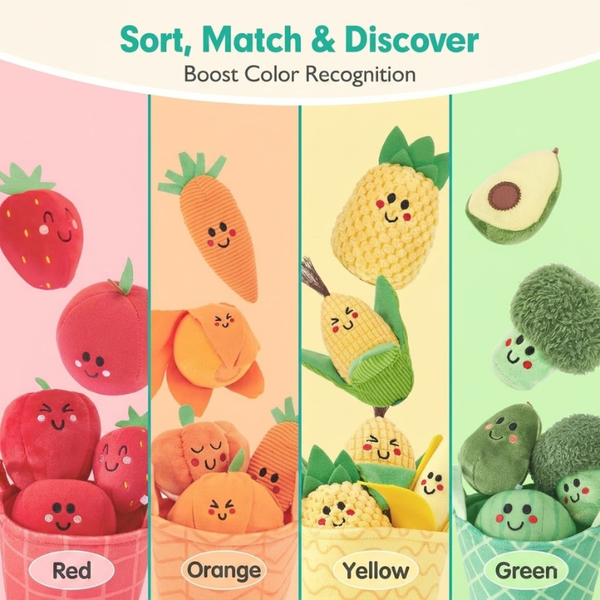
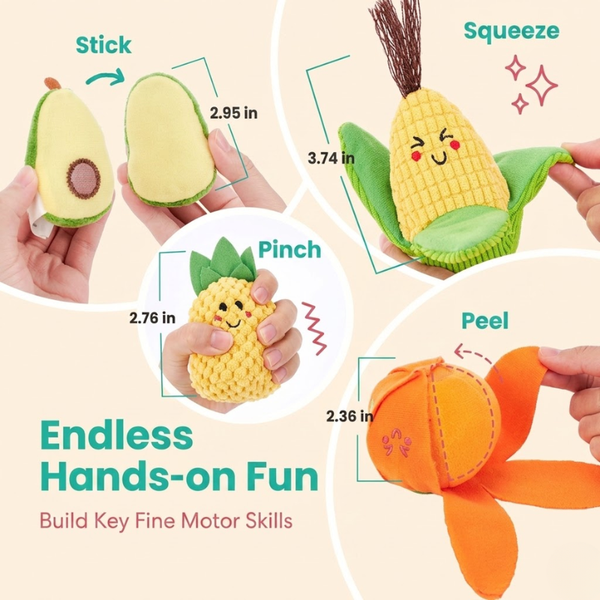
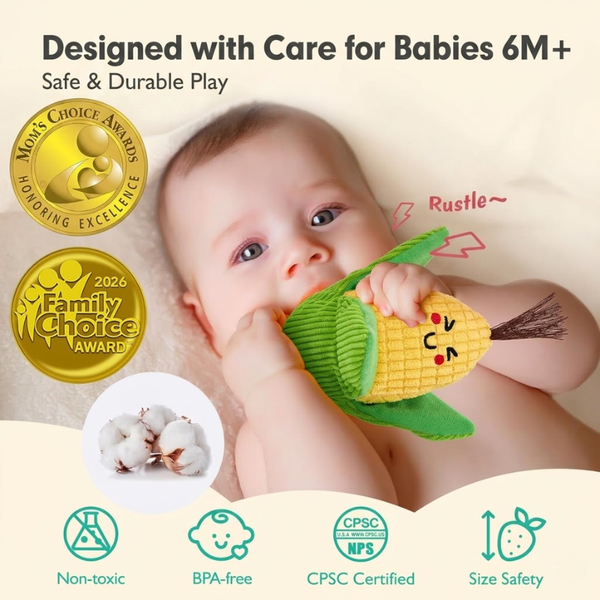
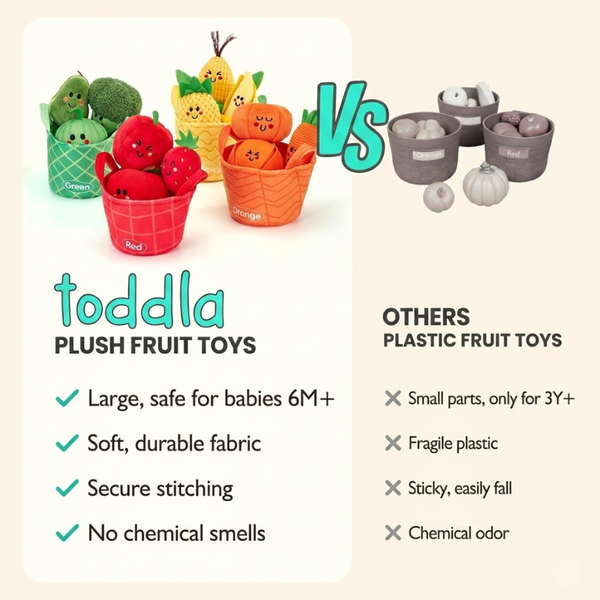
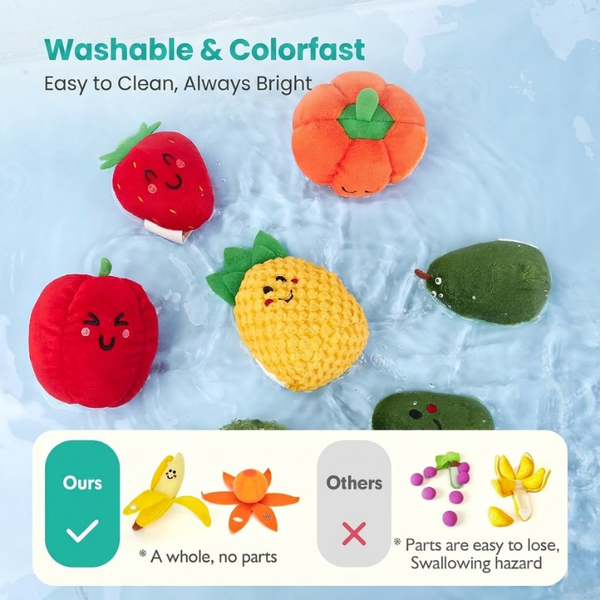
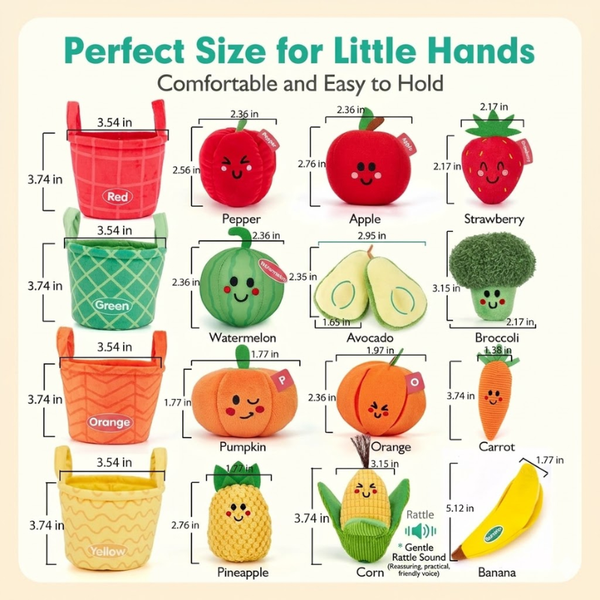
Why It Made the List: Sixteen plush fruits and vegetables, each with crinkly paper or a soft rattle hidden inside, plus colour-coded baskets for sorting. From a language perspective, this set gives toddlers the vocabulary parents want them to have anyway — real food they'll see at the dinner table. A toddler who plays with a plush carrot for a week starts saying "carrot" at breakfast.
Why Parents Love It: It does what no hard toy can do. It gives a teething 1 year old something safe to chew on while doubling as a sorting toy for an older sibling. Two ages, one product. The velcro fasteners on some pieces let toddlers pull a fruit apart, see what's inside, then reassemble it. That's a fine-motor moment and a language moment in the same play session.
Why Toddlers Reach For It: Texture. Plush fruits with crinkly insides don't exist anywhere else in the average household. And the sorting baskets give older toddlers a self-set challenge to come back to over and over, which is exactly the "I set the goal, I met the goal" loop that builds sustained attention.
Get Yours Today →5. Montessori Farm Animal Set

Ages: 1 to 5 years
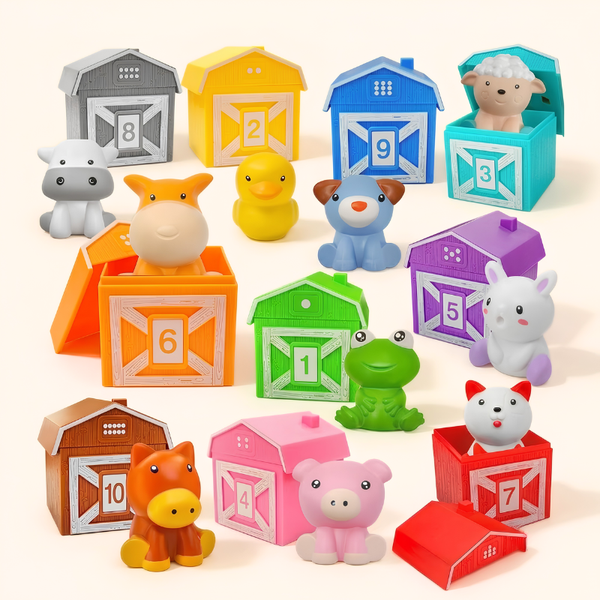
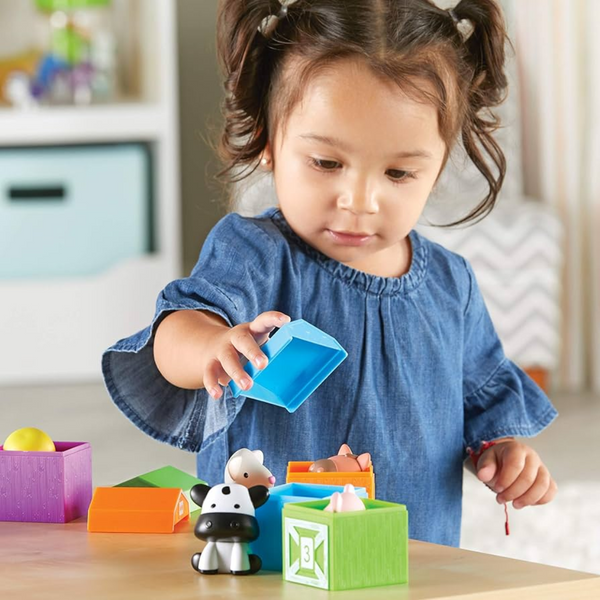
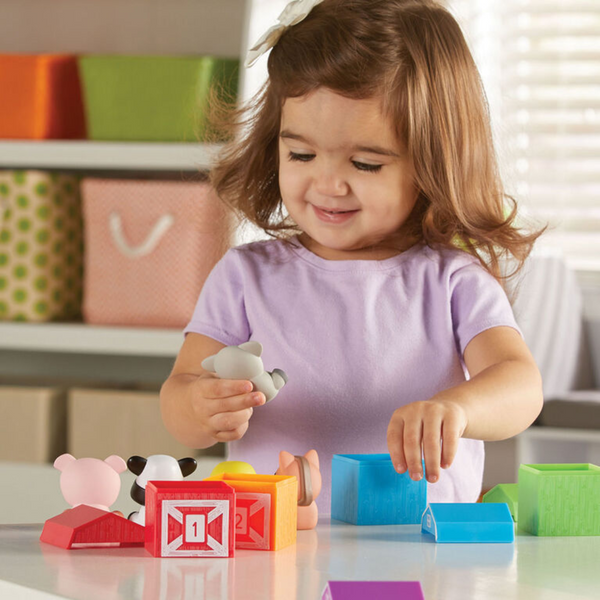
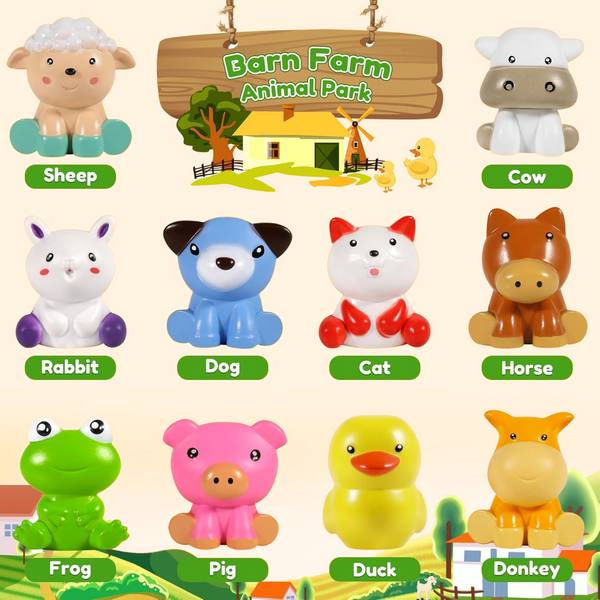
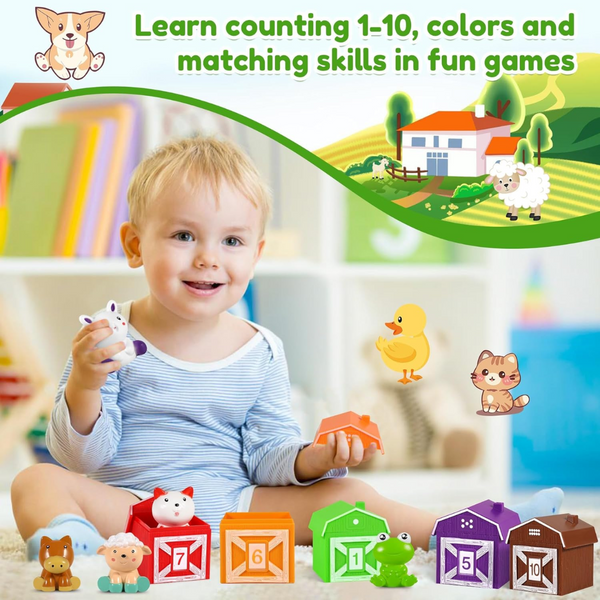
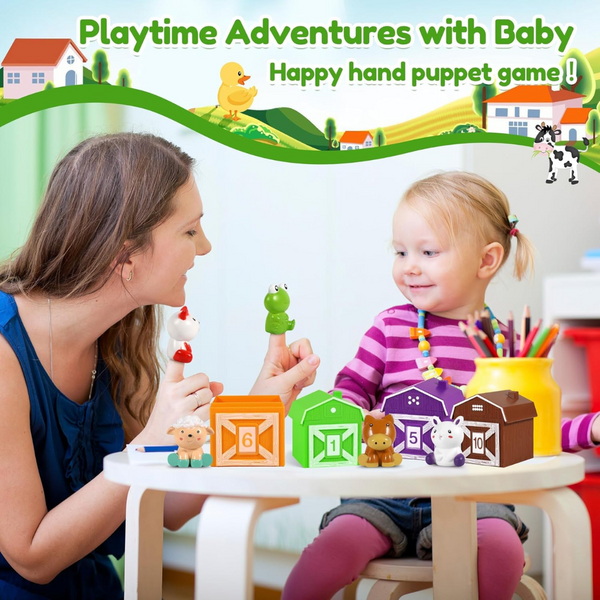
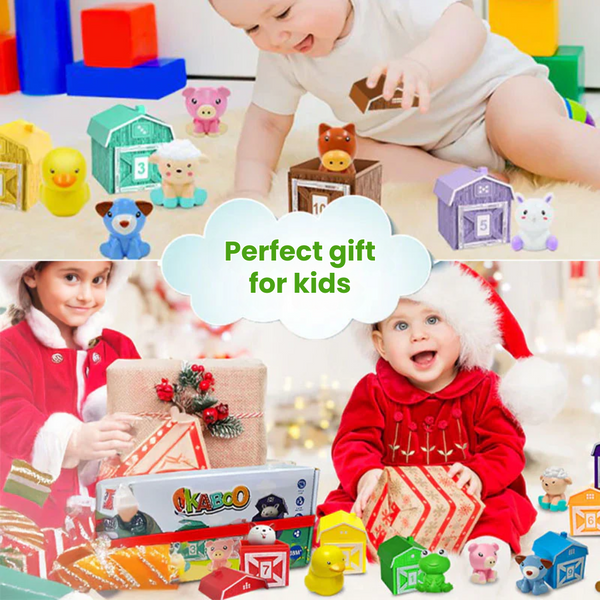
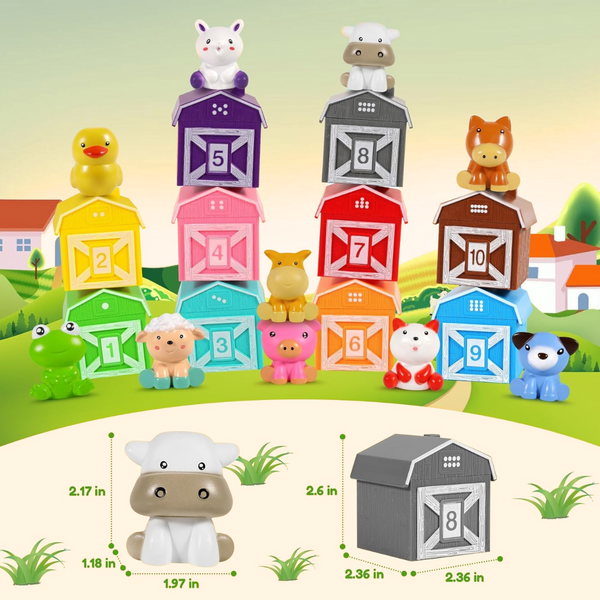
Why It Made the List: Twenty animals and accessories that double as a sorting toy and a pretend-play set. Colour matching for the 18-month-old. Number recognition for the 3-year-old. Storytelling for the 4-year-old. Pretend play with figurines is one of the stronger predictors of language development in the second and third year — in my experience, kids who talk to their toys tend to talk more.
Why Parents Love It: It scales with the kid. A 1 year old sorts the animals by colour and stacks them. A 4 year old builds a farm scene on the rug and names each animal. The same set delivers four years of progressively more sophisticated play, and the barn doubles as storage — which every parent appreciates by toy number twelve.
Why Toddlers Reach For It: Pretend play is the longest-attention category on this list. A toddler can sit with these animals for forty-five minutes inventing scenes. Real-world objects (animals they recognise) plus open-ended use is the formula for sustained focus at this age.
Get Yours Today →6. Soft Building Blocks

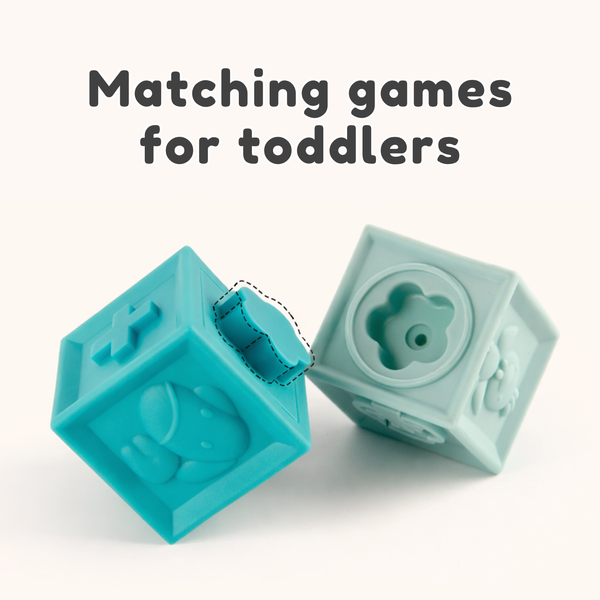
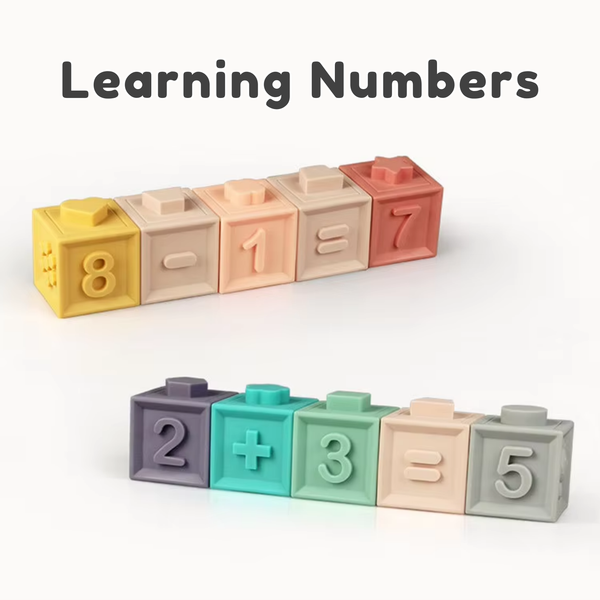
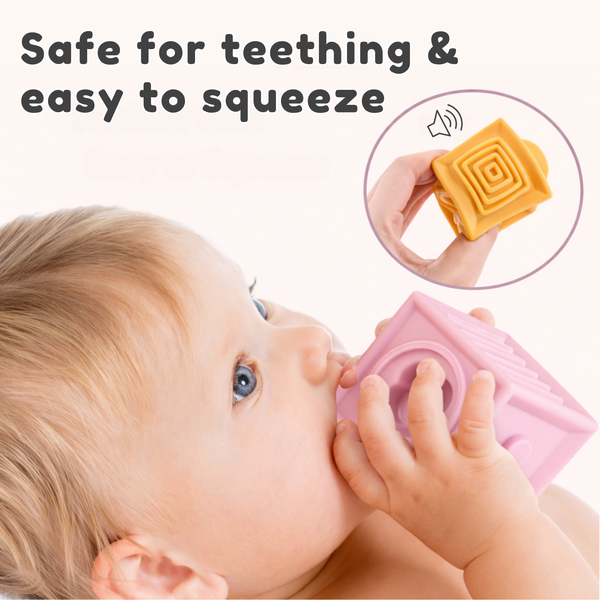
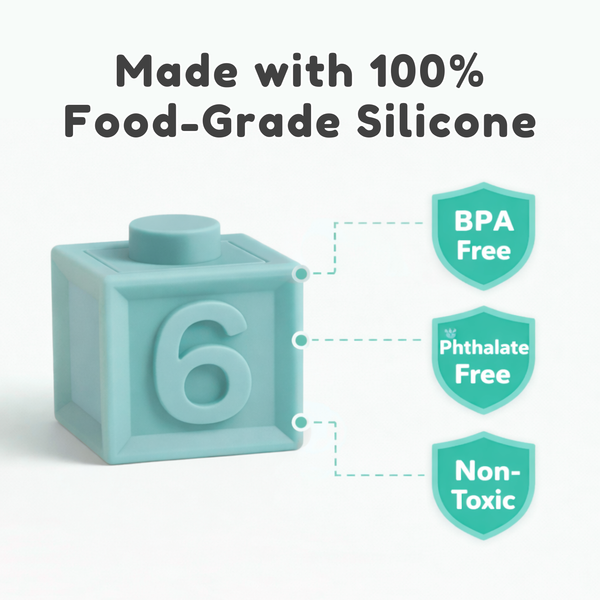
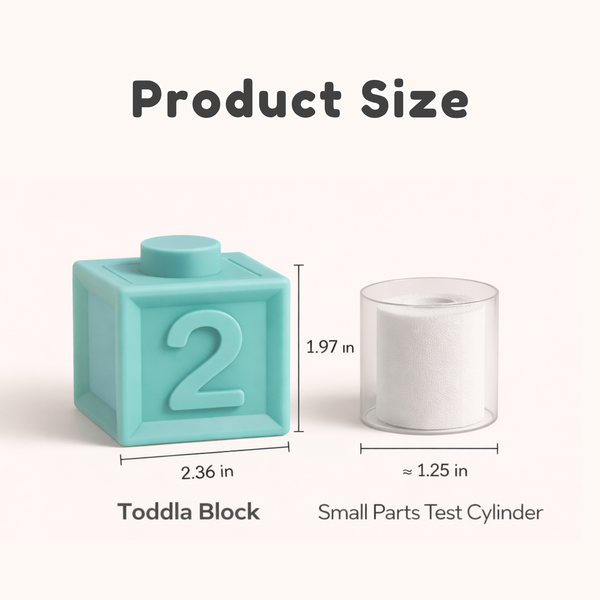
Ages: 6 months and up
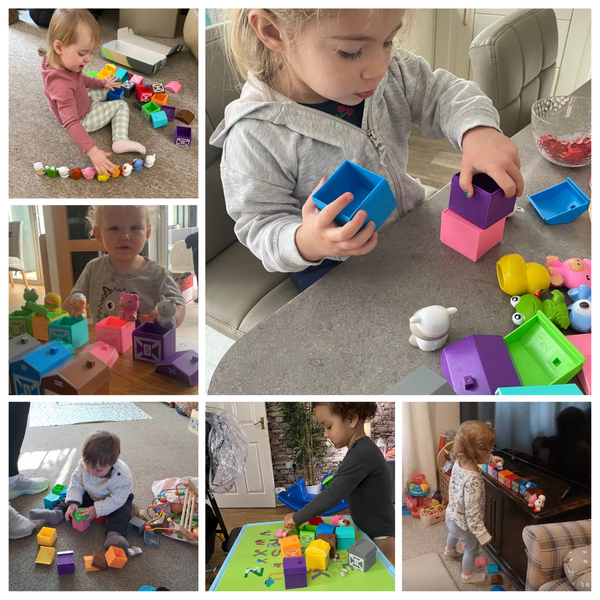
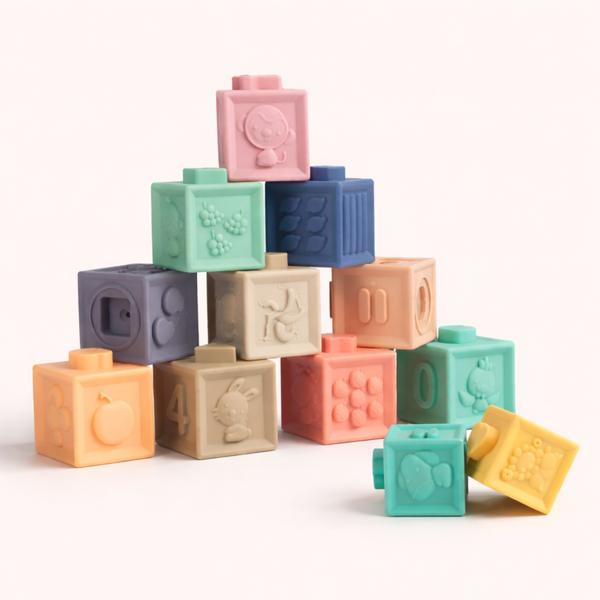
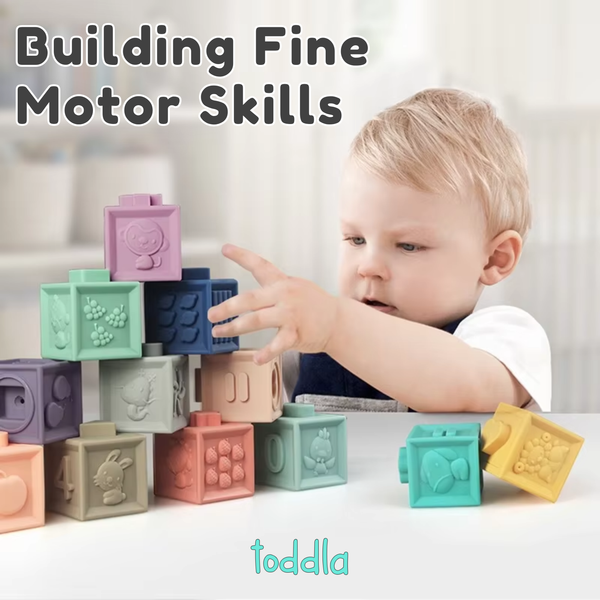
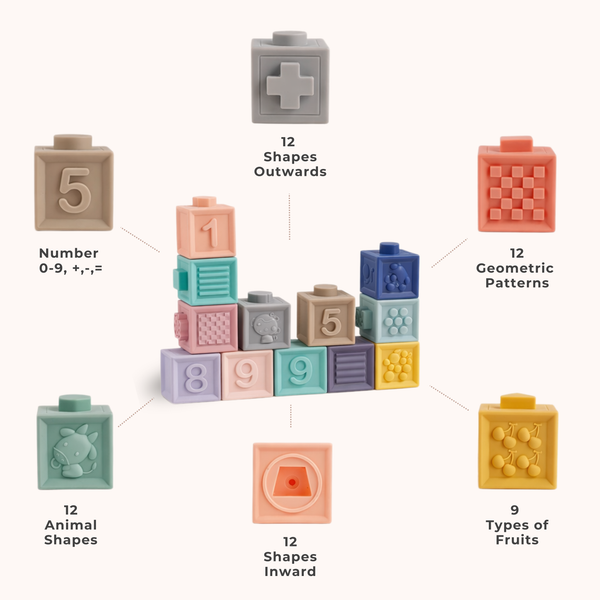
Why It Made the List: Soft, lightweight blocks designed for the age where building play begins but toddlers can't yet handle the consequences of hard wooden blocks. Stack, knock down, throw, chew. Open-ended creative play. From a language angle, block play generates positional vocabulary — up, down, on, off, next to — which is one of the harder categories for toddlers to acquire from conversation alone.
Why Parents Love It: Block play is foundational to spatial reasoning and early maths intuition. These let parents introduce blocks before their child is old enough for hardwood ones, which means an extra year of building practice before kindergarten. Soft and washable, so they survive being thrown, drooled on, and stepped on.
Why Toddlers Reach For It: The freedom of building anything they imagine. Most toys have a correct way to use them. Blocks have no correct way. A toddler reaches for these specifically because the rules are theirs to set, and that autonomy is rare in the toy bin.
Get Yours Today →7. Sensory Baby Books

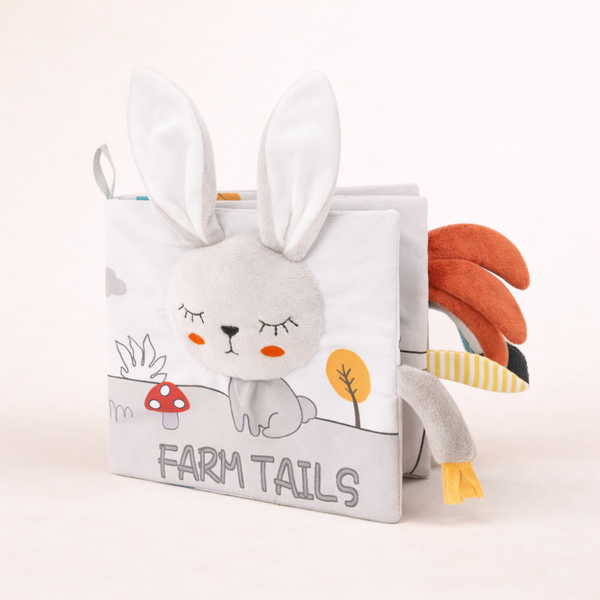
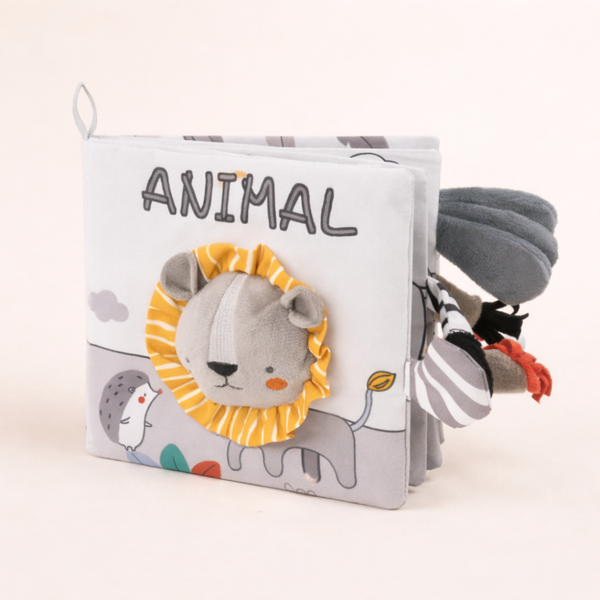
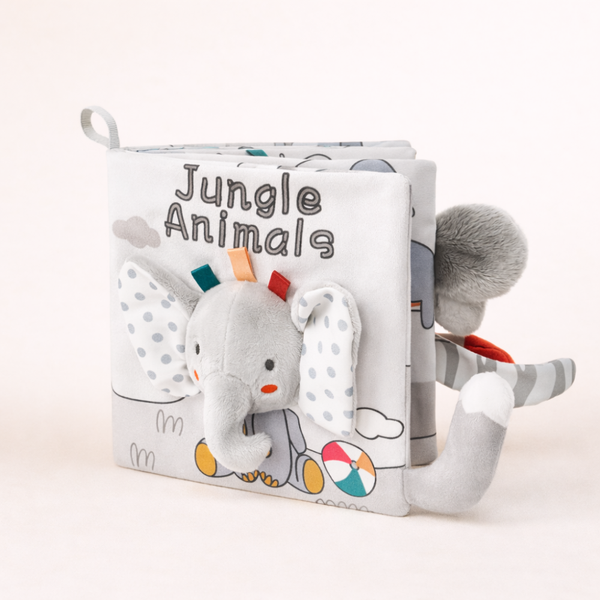

Ages: 6 months to 2 years
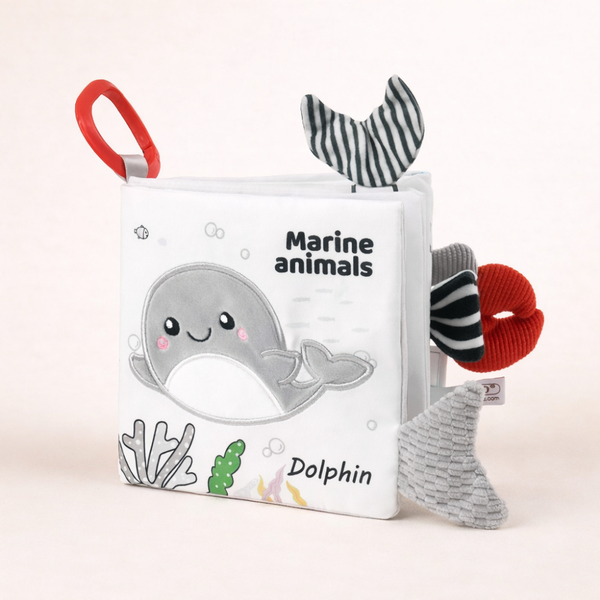
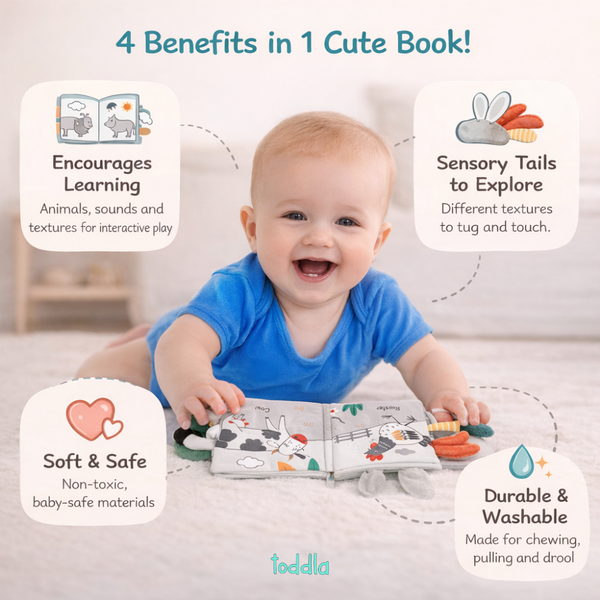
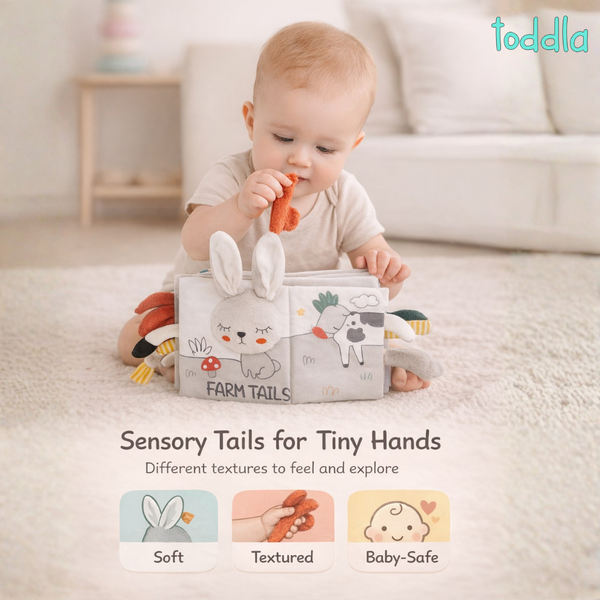
Why It Made the List: Soft cloth books with different textures on every page — crinkle paper, rough patches, silky ribbons, mirror surfaces. From a language angle, textured books are how a lot of toddlers first form the connection between an object on a page and a word for it. A textured strawberry that feels bumpy under their fingers becomes the "strawberry" they say the next morning at breakfast.
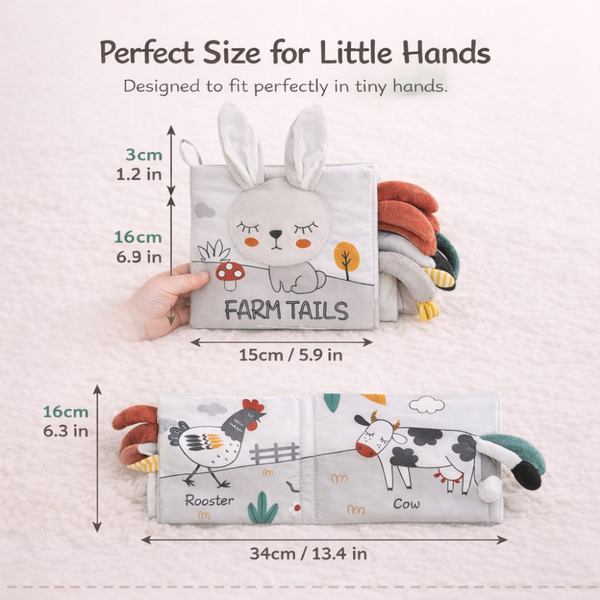
Why Parents Love It: These are the books toddlers actually turn the pages of themselves. Board books get destroyed at this age. Cloth books survive, wash, and pack into a nappy bag. Most parents I work with end up keeping one in the car and one by the cot.
Why Toddlers Reach For It: Texture is the sensory channel toddlers are actively developing at this age. A page they can feel is a page they'll come back to. And the mirror pages in particular — every toddler I've watched with these has a moment of "wait, that's me" that they revisit every time the book comes out.
Get Yours Today →One Last Thing Before You Go
If you've ever felt like your toddler just won't play by themselves, this list was for you. What I've learned in a decade of working with the 1 to 3 age band is that independent play isn't a personality trait. It's a match between a toddler and the right kind of toy. The toys on this list all share one thing: they let the toddler set their own goal, work on it at their own pace, and know when they've met it — without needing you next to them.
Rotate them. Toddlers get bored of toys they see every day. Keep three or four in a basket and pull out the one they haven't touched for a week. The novelty does half the work for you.
And one language tip while I'm here. When you see your toddler playing with one of these, resist the urge to teach. Sit near them, watch, and only speak when they look up at you. The language they build during independent play comes from their own attention — not from you naming things for them. Your job is to be nearby, not to narrate.
Early Language Specialist